
Traffic research
From 5 imported cameras to over 500 manufactured
The story of how we decided to stop depending on third parties and develop our own technology, transforming the Research area at Fratar Engineering.
Discover our story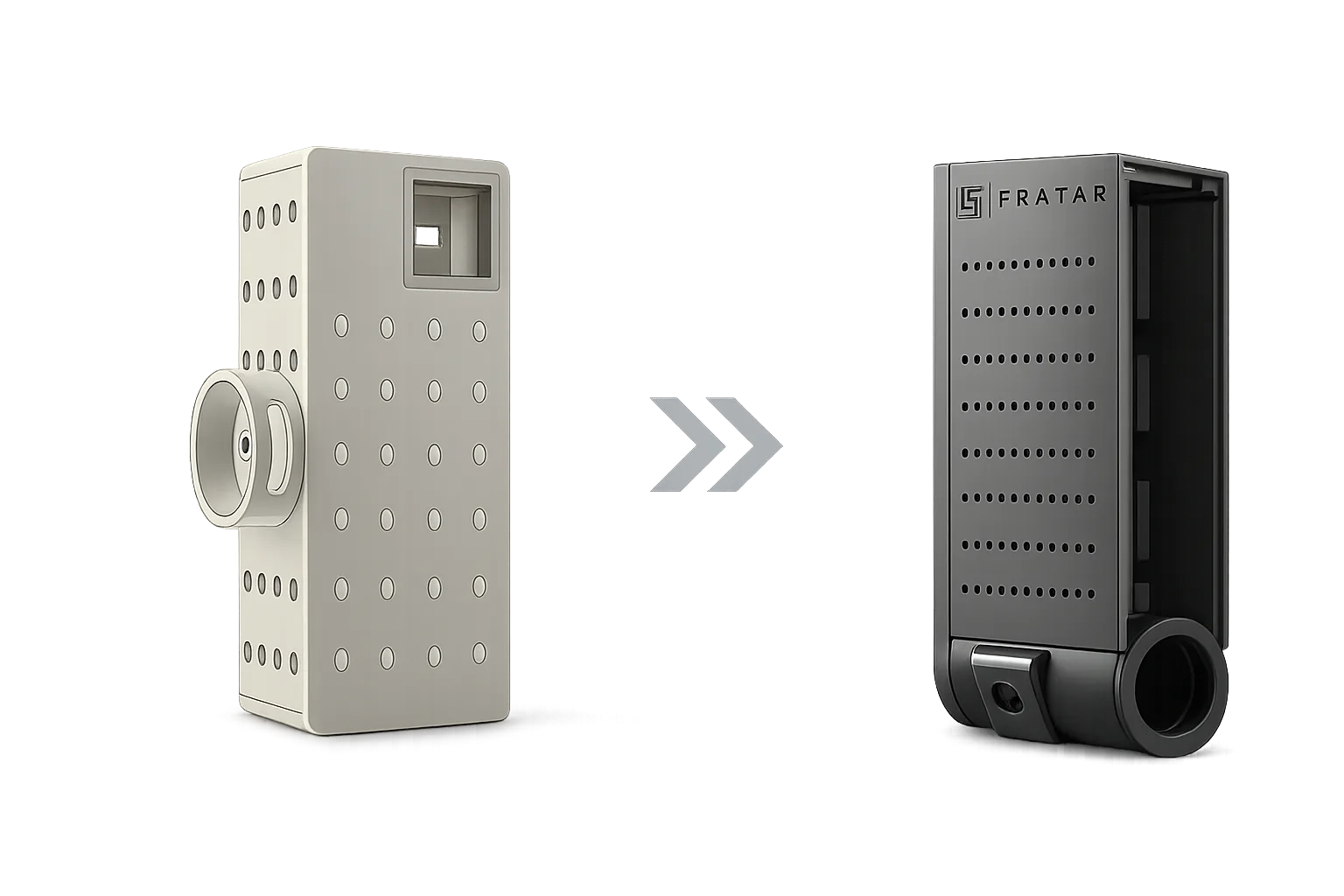
- 5
- imported cameras at the start
- 500+
- cameras manufactured over the years
- 300+
- operating simultaneously
01 / The origin
The initial challenge
When we decided to stop relying on third parties and create our own technology, we couldn't imagine where it would lead us.
It began in 2014, when the constant need for traffic surveys in consulting projects revealed a difficulty the market wasn't resolving for our operation. The idea of developing our own equipment was born then, but had to wait.
With the birth of Fratar Engineering and the accelerated growth of traffic studies, demand for field research became unsustainable with the existing model — partly outsourced, partly supported by only 5 imported cameras. They worked, but didn't meet our logistical needs. In 2021, we decided it was time to resume development.
02 / TrafficCam
The evolution of our equipment
From the first 3D print to large-scale production.
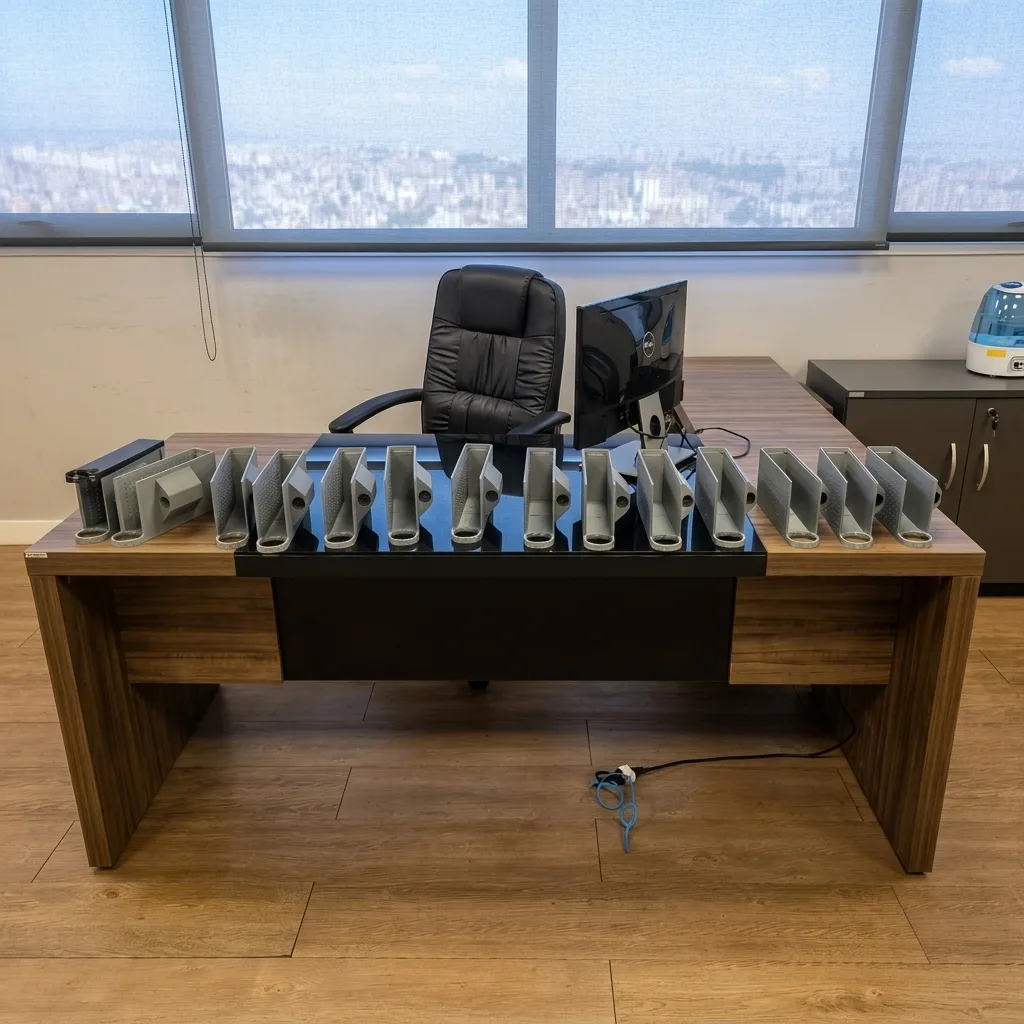
The beginning
TrafficCam 1.0
The challenge wasn't just the camera. We needed to design batteries, protective cases, and the entire manufacturing process. We set up a 3D-printing operation for prototyping and, through cycles of testing and refinement, arrived at TrafficCam 1.0.
A device with significantly lower power consumption, lighter files, and a much lower cost than imported cameras.
The first batch? 5 cameras. We doubled our field capacity overnight.
What happened next surprised even us. An internal decision to produce 10 more units was followed days later by a wave of demand that led us to make another 20. In a very short time, we reached 100 cameras. By 2023, there were 200. Over the years, more than 500 cameras have been manufactured.
03 / Presence across the entire national territory.
The leap: 600 points in a single month
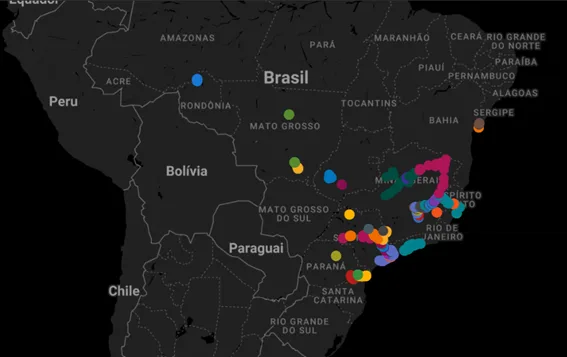
The equipment evolved alongside a complete restructuring of logistics and the field team. The result? Numbers that had seemed unthinkable just a few years earlier: 600 survey points completed in a single month.
Fratar was establishing itself as one of the largest traffic research companies in Brazil, serving internal demand, partners, and clients across the country.
But it wasn't enough.
04 / Continuous evolution
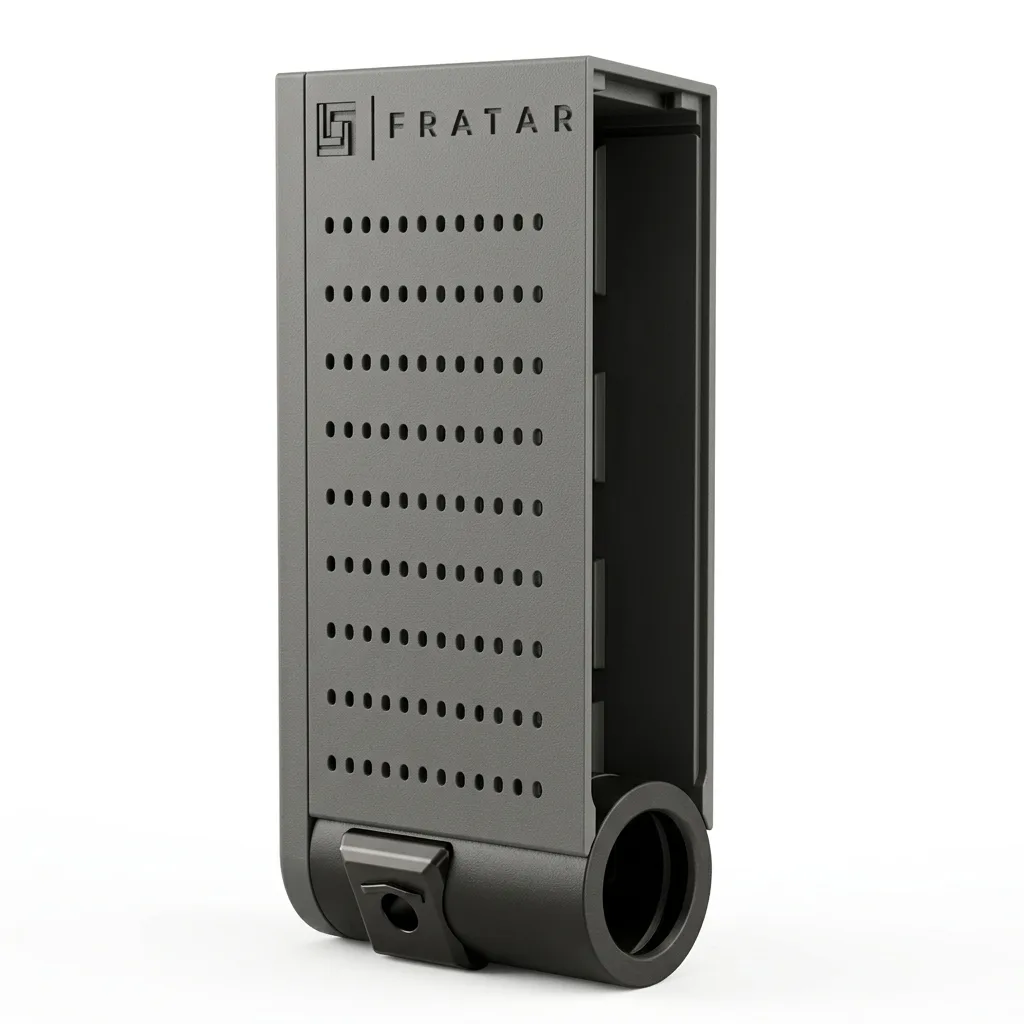
TrafficCam 1.7
We modernized the case design, redesigned the batteries in-house for dynamic configurations based on each study’s duration, and incorporated more efficient video compression.
A decisive change: researchers began sending videos straight from the field to the office, made possible by smaller files.
The impact on processing and delivery speed was immediate.
TrafficCam 1.7, still in use across much of our operation, took us to a new level: more than 6,000 survey point-days during 2025.
05 / The present
TrafficCam 2.0
Today, we announce the launch of TrafficCam 2.0, starting with the production of 100 additional cameras, the result of continuous development by our team. The numbers speak for themselves:
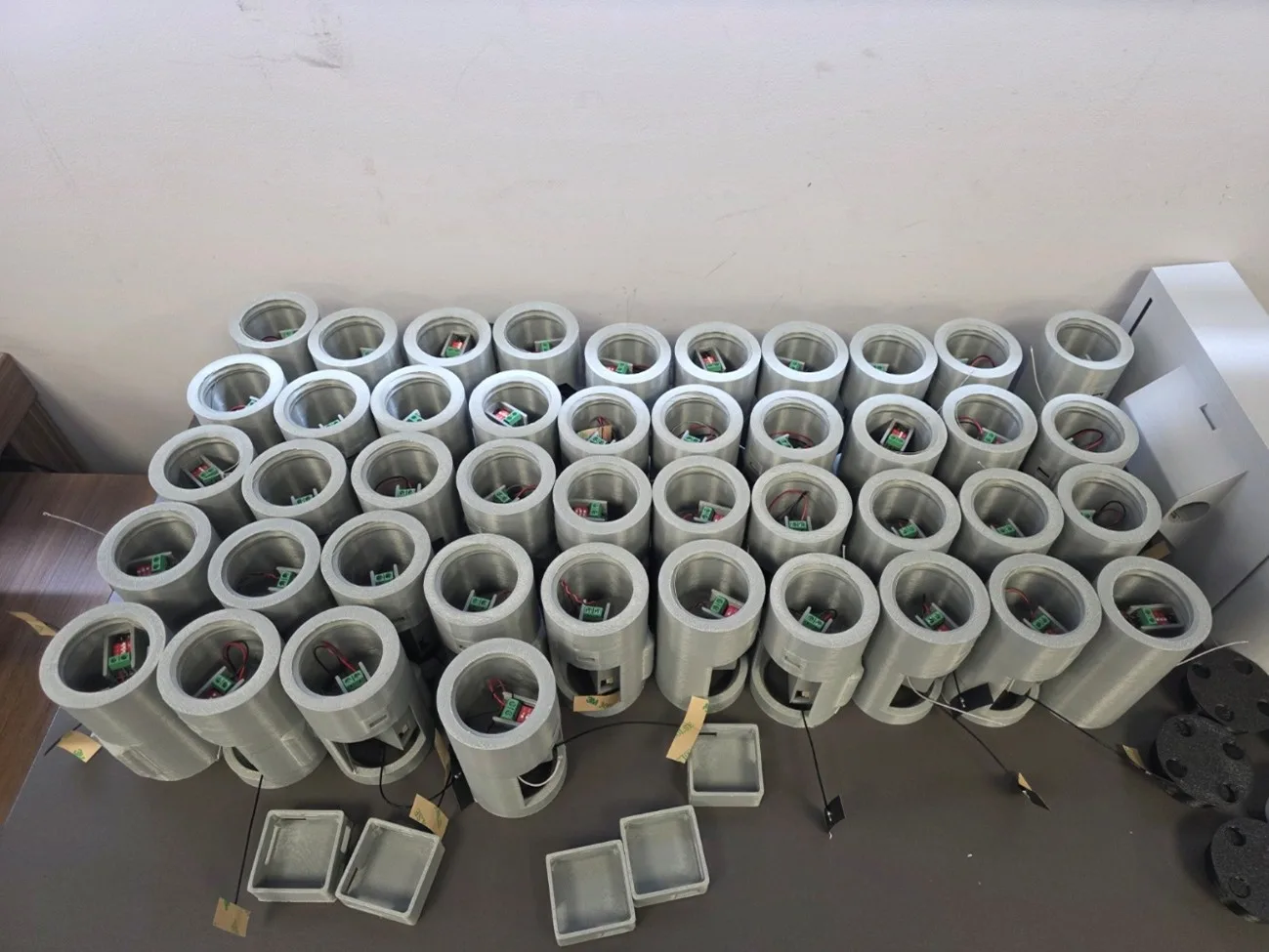
Energy efficiency
Up to 40% less power consumption than the previous generation.
Optimized files
Even smaller files with H.265 compression.
Superior night vision
Sensors with ~10x greater light capture than conventional cameras; night filming without LEDs or infrared.
Total control
Proprietary firmware controls every hardware feature, precisely calibrating image quality, energy efficiency, and compression.
06 / Validating our technology against the global market
How we compare with the global market
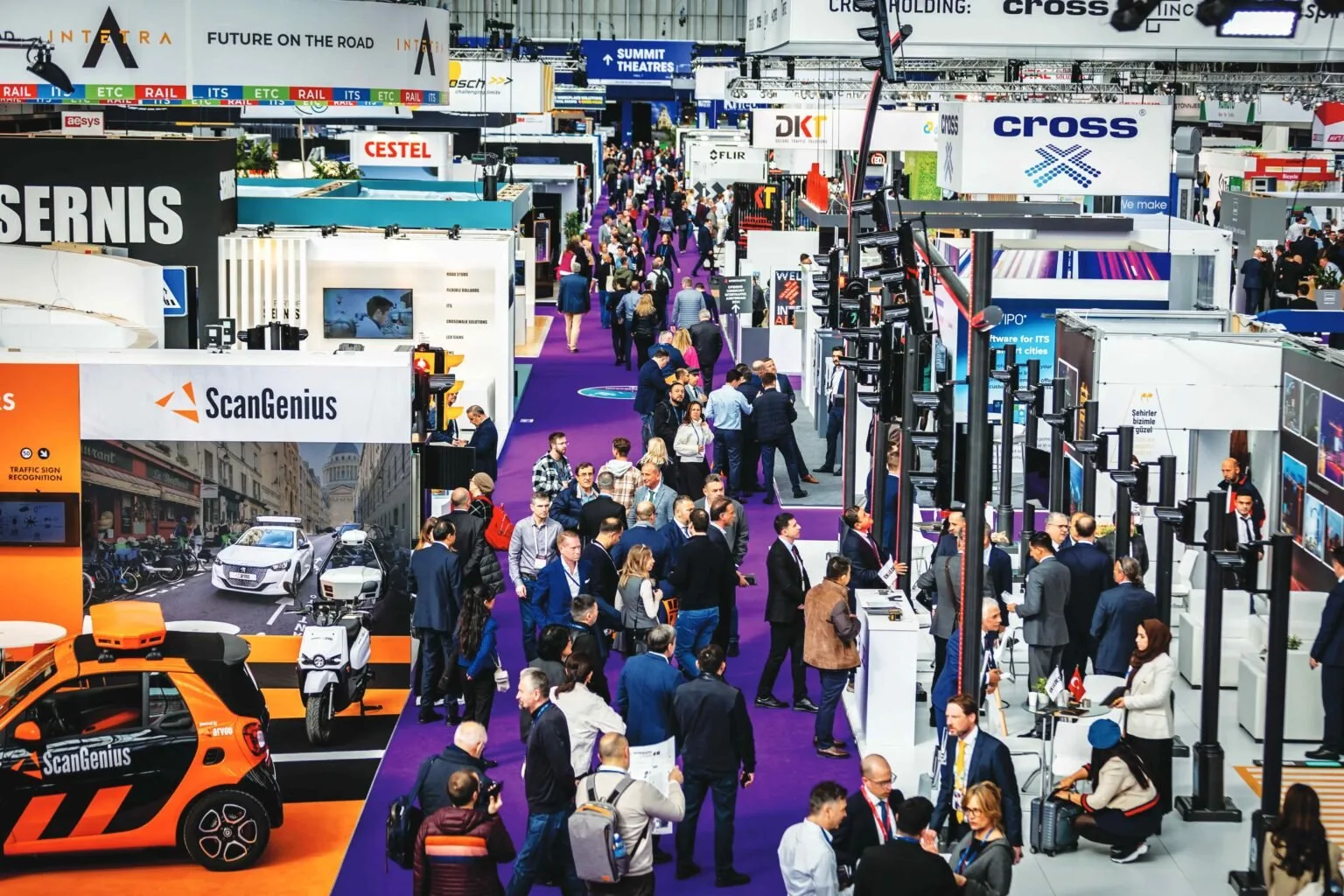
During our recent visit to Intertraffic Amsterdam, the world's largest traffic technology event, we looked closely at leading traffic-survey camera suppliers. The conclusion gave us confidence:
In our comparison, TrafficCam 2.0 consumes approximately 4x less energy than the best cameras available on the international market. With the same battery, we can stay in the field 4x longer.
All this in a device considerably smaller and lighter than competing solutions, which still depend on 12V automotive batteries or large UPS systems.
07 / Ecosystem
More than hardware: a complete ecosystem
Alongside the cameras, we developed our own software to integrate the entire operation:
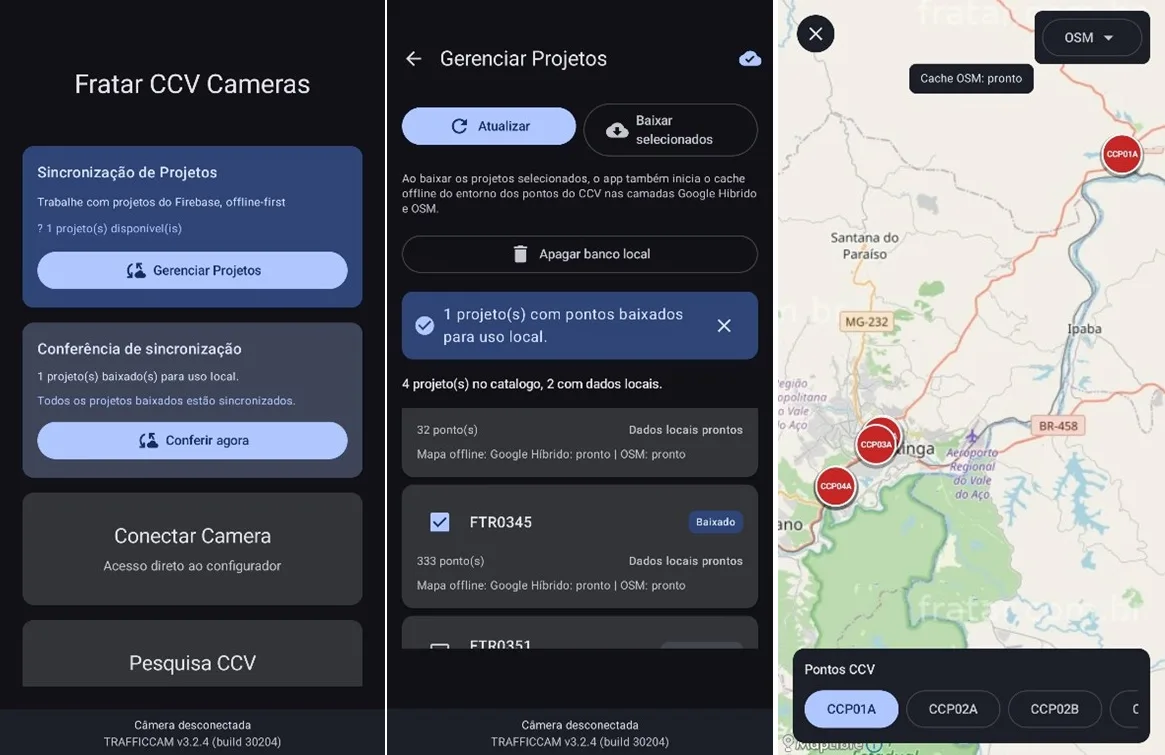
Field setup
Apps let researchers configure cameras on site and automatically send exact positioning, view images, researcher identification, and study data to our research portal.
Learn moreResearch Portal
A platform designed around the client experience: follow project progress and explore results dynamically, from the field to the final report.
Learn moreThis connection between apps, equipment, and portal lets Fratar scale operations with quality control at each stage.
08 / Traffic research
The structure behind the numbers
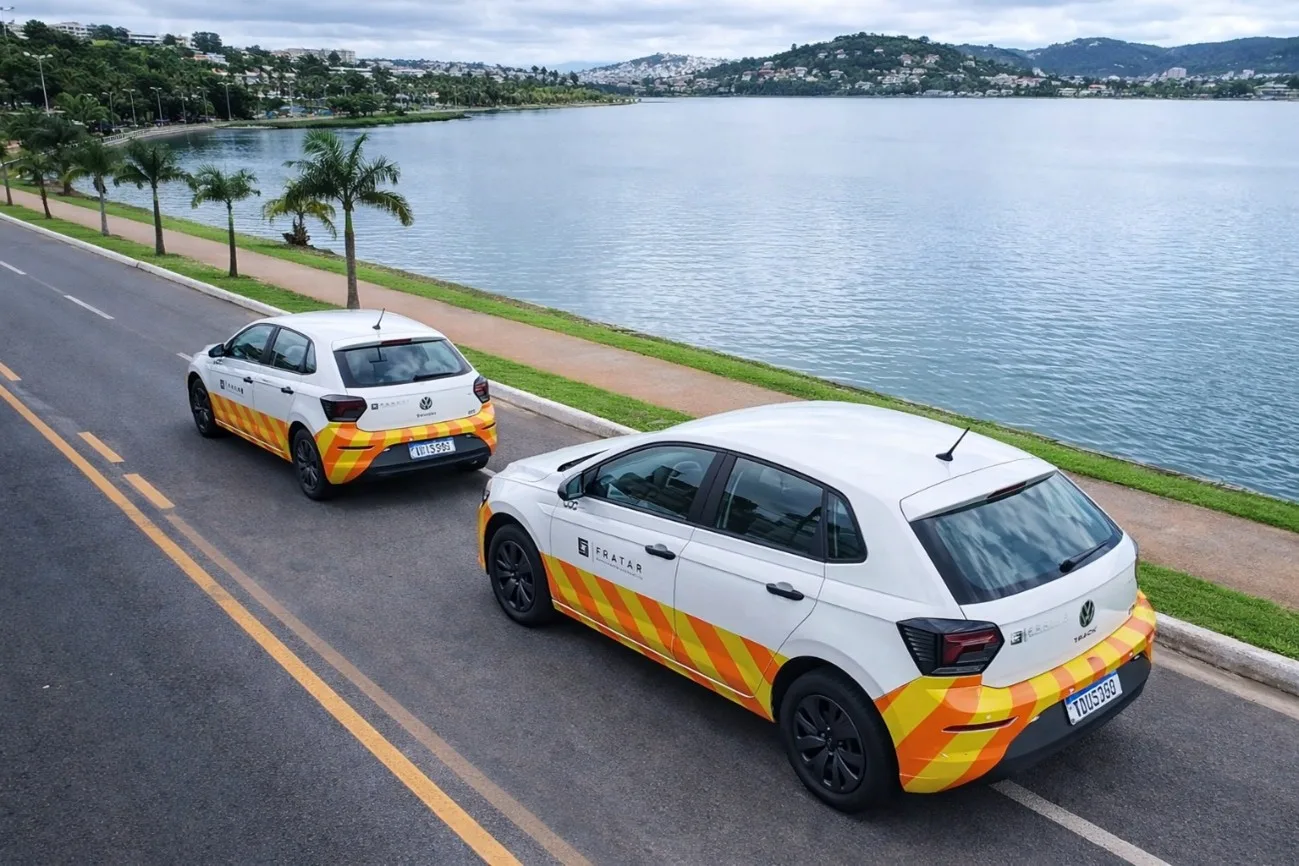
Today, Fratar has an office, teams, and a fleet of vehicles dedicated exclusively to Research. Our operation is certified to meet the demanding requirements of major companies. Field researchers are employed under Brazil’s CLT labor regime, trained, and follow strict on-site safety protocols. Data tabulation is carried out by qualified specialists, ensuring quality control and technical rigor in every study.
09 / TrafficCam
Timeline
Our journey of innovation, year by year.
Initial research into our own cameras
Development resumed at Fratar
TrafficCam 1.0: first batch of 5 units
Rapid scaling: from 5 to 100 cameras
200 cameras in operation
TrafficCam 1.7: modular batteries and remote video transfer
More than 6,000 survey point-days during the year
TrafficCam 2.0 launch: 100 new units
Over 500 cameras manufactured; more than 300 operating simultaneously