
Conhecimento Fratar
SPINE
Research Projects Multi-modal transport planning
Publicado
AssuntoNovidades Aimsun
Research Projects Multi-modal transport planning
SPINE
PUBLIC TRANSPORTATION
MULTIMODAL MOBILITY
MODAL SHIFT
-
Funding: EU’s Horizon Europe -
Dates: 2023 – 2026
SPINE – SMART PUBLIC TRANSPORT INITIATIVES FOR CLIMATE-NEUTRAL CITIES IN EUROPE
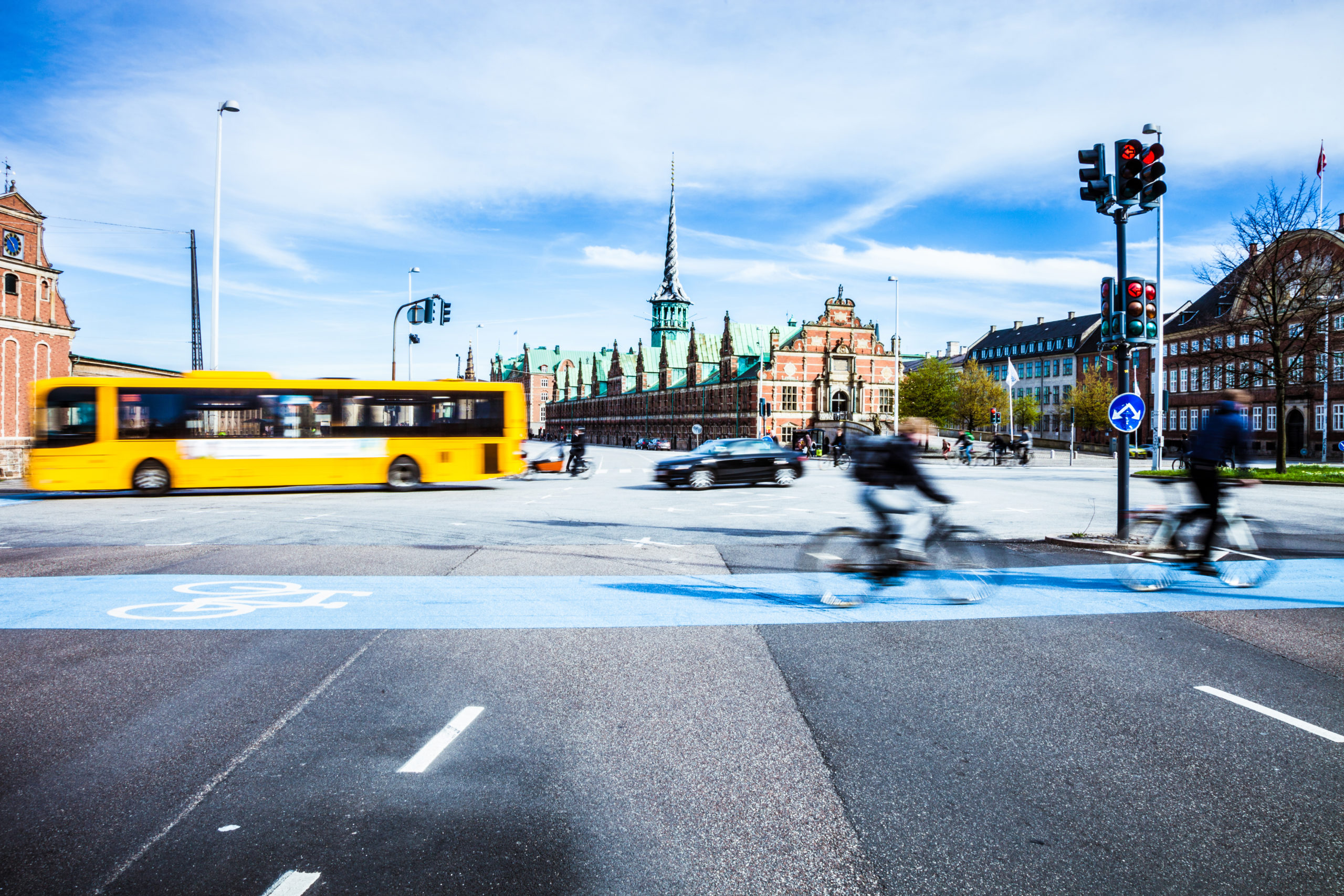
SPINE’s vision is to accelerate the progress towards climate neutrality by reinforcing PT systems through their smart integration with new mobility services, connected and automated mobility, sharing schemes, active transport modes, and micromobility. Drivers of this transition will be the SPINE Living Labs (LL) in 11 mission cities engaged in the implementation of their SUMPs and the co-creation, development, uptake and the broad adoption of promising innovative mobility solutions. The LLs will become exemplars of improved access to PT combined with advanced shared, inclusive, sustainable and resilient urban and peri-urban mobility services, in turn leading changes in mobility patterns and behaviours, aimed at less car-centred urban mobility systems. A set of digital enablers will be developed and deployed to support the new LLs mobility services.
Project objectives
- O1: Analyse the urban/suburban/peri-urban form, physical and functional structure, natural environment, and public realm, within which PT systems operate, to define innovative strategies and new approaches of significant impact.
- O2: Ideate, prototype, demonstrate and evaluate innovative mobility solutions, complemented, and reinforced by appropriate policy measures, in four LLs.
- O3: Define and implement the digital tools that will enable the modelling and support the deployment of the collaborative and co-created public transport mobility interventions, employing Digital Twins (DT), simulations.
- O4: Deploy, demonstrate and evaluate innovative mobility solutions and business models in six Twining Cities.
- O5: Foster the dissemination, transferability, replication, and up-scaling of innovative solutions by encouraging cross-pollination activities across pilot and other European cities.
Use cases
Four Lead City LLs in Antwerp, Bologna, Tallin and Las Palmas will be established, and a series of co-creation activities will take place where multiple stakeholders will be actively engaged in the development and demonstration of innovative mobility solutions, advancing existing assets. The SPINE approach involves the creation of (a) innovative simulation and Digital Twining (DT) tools, along with open data and behavioural models, that will allow the building of scenarios combining different mobility interventions and the implementation of the most promising ones; (b) data-driven impact assessment models that will foster the twinning, transferability and adaptation of the successful solutions of the four LLs in seven Twining Cities – Barreiro, Valladolid, Zilina, Sibenik, Hrakleion, Gdynia and Rouen.
The role of Aimsun
Aimsun leads Workpackage 3 dealing with the design and development of the digital tools, platforms, applications and supporting models of SPINE, in particular leading on Digital impact assessment models. This involves the development of simulation models for 7 cities including 2 multimodal simulation models specifically developed by Aimsun This workpackage also includes investigation of City-specific scenarios and what-if-analysis, supporting the co-creative process in the LLs. A Programmable/configurable SUMP scenario what-if analysis tool will transform policy questions into modelling problems with measures modelled as parametric simulations followed by what if analysis, to identify a flexible and scalable array of measures to increasing PT modal share and user satisfaction.
More research projects

HARMONY
Holistic Approach for Providing Spatial & Transport Planning Tools and Evidence to Metropolitan and Regional Authorities to Lead a Sustainable Transition to a New Mobility Era